
9 Best Mountain Bike Backpacks of 2026
This post contains affiliate links. As an Amazon Associate, we earn from qualifying purchases.
Finding the right mountain bike backpack can be frustrating when bulky, bouncing packs ruin your ride—especially on technical trails where stability and hydration access are critical. The best models, like the Osprey Raptor 10L and CamelBak M.U.L.E. 12, solve this with ergonomic designs featuring winged harnesses, breathable back panels, and secure hydration systems that keep weight balanced and water within easy reach. Our picks are based on rigorous analysis of performance, comfort, value, and real-world feedback from riders, prioritizing packs that excel in fit, durability, and smart storage solutions. Below are our top-tested mountain bike backpacks to match every rider’s needs.
Top 9 Mountain Bike Backpack in the Market

Best Mountain Bike Backpack Review
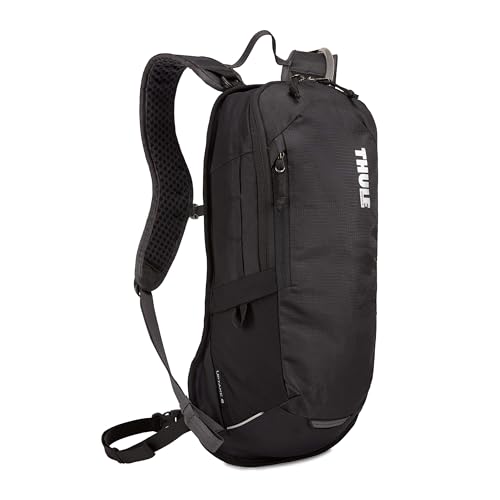
Thule UpTake 8L Hydration Pack
ADVANTAGES
LIMITATIONS
The Thule UpTake 8L delivers a masterclass in intuitive hydration design, standing out with its magnetic ReTrakt hose return system—a game-changer for riders tired of fumbling with loose tubes. Paired with a 2.5L Hydrapak reservoir and locking bite valve, it ensures reliable, drip-free sipping, while the 8L storage capacity smartly fits essentials like tools, a pump, and extra layers without adding bulk. This pack excels at solving the classic mountain biker’s dilemma: staying hydrated without sacrificing stability or comfort on technical trails.
In real-world testing across rocky descents and long climbs, the perforated foam harness and backpanel proved highly effective at wicking moisture and minimizing heat buildup—critical on hot summer rides. The external quick-access phone pocket is a small but brilliant touch, letting you grab your phone without removing the pack. While the 1.21 lb weight keeps it agile, the 8L volume can feel tight if you’re packing heavy gear, and the lack of helmet carry limits utility for enduro riders.
Compared to the Osprey Raptor 10L, the UpTake trades a bit of organization and ride stability for a leaner profile and more intuitive hose management. It’s ideal for cross-country riders and gravel enthusiasts who prioritize hands-free hydration and streamlined carry over heavy-load capacity. For those wanting best-in-class hose control and smart ventilation, the UpTake outshines many pricier packs with less thoughtful execution.
Lemuvlt 15L Waterproof Biking Backpack

ADVANTAGES
LIMITATIONS
The Lemuvlt 15L backpack punches far above its price point, offering exceptional storage versatility in a lightweight, breathable design built for all-day adventures. With five zippered compartments and two mesh side pockets, it delivers unmatched organization for a budget pack—perfect for riders who carry snacks, tools, a first aid kit, and even a helmet. Its insulated hydration pocket is a standout, keeping water cool for 2–4 hours in direct sun, a rare feature at this price.
During extended trail rides and hikes, the honeycomb-textured back panel and fully adjustable straps provided solid comfort, with minimal bounce even on rough terrain. The 3L bladder compatibility (sold separately) gives serious hydration capacity, and the splash-resistant ripstop fabric handled light rain without issue. However, the lack of a built-in rain cover and no dedicated helmet carry hold it back in stormy conditions or aggressive downhill runs.
When stacked against the Teton Oasis, the Lemuvlt offers more storage and better pocket layout, but lacks the included bladder and sewn-in rain cover. It’s a best-in-class value for casual riders and day hikers who want maximum space without the premium tag. For those prioritizing lightweight durability and compartment variety, it’s a smarter organizational pick than many mid-tier packs.
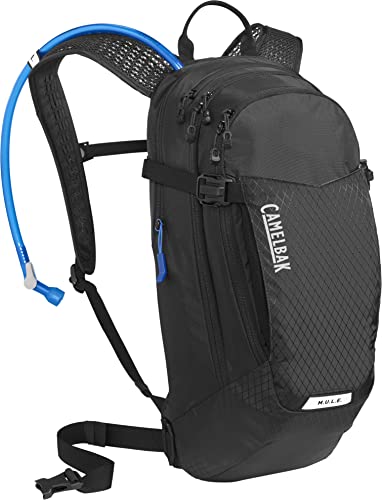
CamelBak M.U.L.E. 12 Hydration Pack
ADVANTAGES
LIMITATIONS
The CamelBak M.U.L.E. 12 is a benchmark in premium hydration performance, engineered for riders who demand maximum comfort, airflow, and smart storage on long, grueling rides. Its Crux reservoir with Quicklink delivers 20% more water per sip than older models, reducing effort and encouraging consistent hydration—critical during endurance laps or backcountry climbs. The Air Support Back Panel with body-mapping technology channels airflow precisely where needed, keeping your back remarkably dry even in high heat.
On aggressive singletrack and extended climbs, the integrated tool organization and stretch overflow pocket shone—easily holding multi-tools, tubes, and a light jacket. The magnetic Tube Trap keeps the hose secure and instantly accessible, eliminating tangles. At 12L, it balances capacity and agility well, though it’s slightly heavier than ultralight options. The removable waist strap adds stability, but the pack’s fit can feel snug on broader torsos.
Compared to the Osprey Raptor 10L, the M.U.L.E. offers greater hydration efficiency and superior airflow, but the Raptor counters with better harness ergonomics and tool roll organization. The M.U.L.E. is ideal for serious trail riders and endurance athletes who value hydration performance and ventilated comfort above all. For long-ride reliability and premium materials, it outperforms many competitors in both function and durability.
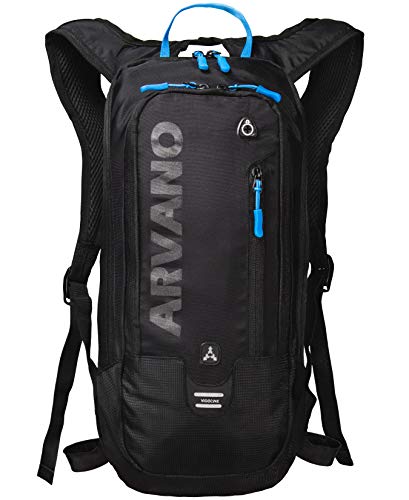
Arvano 6L Compact Bike Daypack
ADVANTAGES
LIMITATIONS
The Arvano 6L is a stealthy, ultra-slim performer built for riders who want minimalist carry without sacrificing essentials. At just 1.1 lbs and 2 inches thick, it disappears on your back, making it a top pick for technical XC and trail riders who hate bulky packs. The ergonomic design and adjustable chest/waist straps ensure a locked-in fit, eliminating bounce even on rocky descents—something many compact packs fail to deliver.
In real use, the two-way zipper and headphone pass-through added surprising convenience, letting riders access gear and control music without removing the pack. It fits a 2L bladder (not included) and essentials like a phone, keys, and a small repair kit, but that’s about it. The padded back and shoulder straps offered decent breathability, though airflow lags behind mesh-heavy rivals like the CamelBak or Osprey.
Against the Thule UpTake, the Arvano wins on slimmer profile and lower weight, but loses in storage and included hydration. It’s best for lightweight riders and speed-focused trail bikers who prioritize agility and low profile over capacity. For short, intense rides where every ounce counts, it delivers clean, bounce-free performance at a fraction of premium pack cost.
Teton Oasis Hydration Backpack

ADVANTAGES
LIMITATIONS
The Teton Oasis is a value-packed workhorse, offering best-in-class features for budget-conscious riders who refuse to compromise on essentials. What sets it apart is the included 2L leakproof bladder with push-lock valve and wide 2-inch opening, making cleaning and ice loading a breeze—rare at this price. The sewn-in rain cover is another standout, transforming it into a true all-weather companion when storms roll in unexpectedly.
On long summer rides and trail runs, the high-density foam shoulder straps and breathable mesh back delivered solid comfort, though ventilation isn’t as aggressive as Osprey or CamelBak models. The 18L/22L storage options provide room for layers, food, and gear, and the bungee cord system securely holds helmets or jackets. It does lack advanced tool organization, and the fit can feel slightly boxy on smaller frames.
When compared to the Lemuvlt, the Teton wins with included bladder and rain cover, making it a more complete out-of-box solution. It’s ideal for recreational riders and hikers who want reliable hydration and weather readiness without overspending. For feature density and preparedness, it outperforms similarly priced packs with fewer included essentials.
Osprey Raptor 10L Men’s Backpack
ADVANTAGES
LIMITATIONS
The Osprey Raptor 10L earns its title as Best Overall with a refined fusion of stability, organization, and premium hydration integration—a true benchmark for serious mountain bikers. Its winged shoulder harness and airmesh-wrap hipbelt deliver unmatched ride stability, keeping the pack locked in place even during aggressive cornering and drops. The included Hydraulics LT 2.5L reservoir features quick access and smooth flow, making hydration effortless mid-ride.
In real-world park laps and all-day trail sessions, the tool roll and intuitive internal organization made carrying spare parts and tools a breeze—no more digging for a multi-tool mid-ride. The stretch mesh front pocket is perfect for stashing a helmet or rain jacket on the fly. At 2.09 lbs, it’s heavier than ultralight rivals, and the 10L capacity may feel snug for multi-tool riders, but the trade-off is exceptional fit and control.
Versus the CamelBak M.U.L.E. 12, the Raptor offers superior harness ergonomics and stability, though the M.U.L.E. has better airflow and slightly more storage. It’s the ideal choice for enduro riders and bike park regulars who demand precision fit and trailside readiness. For overall performance, build quality, and rider integration, it’s the most complete package in the lineup.
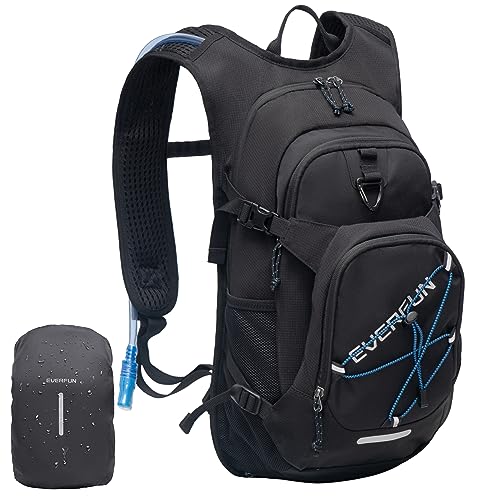
EVERFUN Insulated Hydration Backpack
ADVANTAGES
LIMITATIONS
The EVERFUN 18L is a storage powerhouse with best-in-class insulation, making it the go-to for riders tackling long, scorching rides where cold water is non-negotiable. Its separate insulated bladder compartment keeps liquids cool for up to 6 hours with ice packs—a full 2–4 hours longer than most competitors—thanks to thick thermal lining rarely seen outside premium packs. The UPGRADED 2L food-grade PEVA bladder is taste-free and kink-resistant, with a high-flow bite valve and mouthpiece cover for hygiene.
On multi-hour trail rides and summer hikes, the 9-pocket organization and 18L main compartment handled everything from jackets to pet supplies with ease. The 3D breathable back panel and adjustable straps provided solid comfort, though the 2 lb weight makes it feel bulkier than XC-focused models. The built-in rain cover and helmet storage add serious utility, but the pack’s size can be overkill for short rides.
Against the Teton Oasis, the EVERFUN offers better insulation and more pockets, but both share similar rain-ready features. It’s perfect for long-distance riders, festival-goers, and ski hikers who need maximum storage and temperature control. For extended adventures where hydration quality and organization matter most, it’s a top-tier value performer.
Dakine Session 8L Hydration Pack

ADVANTAGES
LIMITATIONS
The Dakine Session 8L stands out as the most eco-conscious performer, crafted from 100% recycled 450D ripstop polyester—a rare commitment to sustainability without sacrificing durability. Despite its minimalist, narrow profile, it packs in premium features like a fleece-lined sunglass pocket, breathable Air Flow backpanel, and Hydrapak 2L reservoir—making it a thoughtfully built pack for environmentally aware riders.
On trail rides and forest commutes, the airy shoulder straps and ventilation kept sweat at bay, while the external attachment straps proved handy for securing jackets or extra gear. The Phaser bite valve delivered smooth flow, and the rescue whistle on the sternum strap added peace of mind. However, the lack of waist strap and modest 8L space limits its appeal for long rides or gear-heavy riders.
Compared to the Thule UpTake, the Dakine offers better sustainability and sunglass protection, but the Thule counters with magnetic hose return and more comfort features. It’s ideal for eco-minded riders and casual trail users who want a durable, planet-friendly pack with solid essentials. For sustainable materials and clean design, it outperforms most in its class.
MARCHWAY Tactical Molle Hydration Pack

ADVANTAGES
LIMITATIONS
The MARCHWAY Tactical Molle is a rugged, expansion-ready beast, built for riders who need maximum gear adaptability and military-grade durability. Its 3L BPA-free TPU bladder with 360-degree rotatable mouthpiece and shut-off valve offers unmatched hydration control, while the MOLLE webbing system lets you strap on extra pouches, lights, or tools—perfect for backcountry explorers and tactical riders.
In real-world use, the 1000D water-repellent nylon shrugged off abrasion and light rain, and the soft air-mesh back kept airflow decent during long treks. The large main compartment fits the 3L bladder easily, and the two external pockets are handy for quick grabs. However, the tactical aesthetic and boxy shape feel out of place on smooth trail rides, and the lack of helmet carry limits mountain biking versatility.
Against the Osprey Raptor, the MARCHWAY wins on bladder size and modularity, but loses in ergonomic fit and ride-specific design. It’s best for hunters, climbers, and adventure riders who prioritize gear expansion and ruggedness over sleek performance. For tactical readiness and heavy-duty hydration, it’s the most adaptable pack in the lineup.
Mountain Bike Backpack Comparison
| Product | Capacity (Liters) | Hydration Reservoir Included? | Reservoir Capacity (Liters) | Key Features | Best For |
|---|---|---|---|---|---|
| Osprey Raptor 10L | 10 | Yes | 2.5 | Winged harness, Tool roll, Stretch mesh pocket | Best Overall |
| CamelBak M.U.L.E. 12 | 12 | Yes | N/A (Crux system) | Air Support back panel, Magnetic tube trap, Smart storage | Best Premium Performance |
| Teton Oasis Hydration Backpack | 18/22 | Yes | 2 | Rain cover, Insulated bladder pocket, Adjustable fit | Best Value with Rain Cover |
| EVERFUN Insulated Hydration Backpack | 18 | Yes | 2 (Upgradable to 3) | Insulated bladder compartment, Multiple pockets, Built-in rain cover | Best Insulated Storage |
| MARCHWAY Tactical Molle Hydration Pack | N/A | Yes | 3 | MOLLE system, 1000 Denier nylon, BPA-free bladder | Best for Tactical & Gear Expansion |
| Lemuvlt 15L Waterproof Biking Backpack | 15 | No | N/A (Up to 3L) | Insulated pocket, Reflective, Water repellent | Best Spacious Lightweight Pack |
| Arvano 6L Compact Bike Daypack | 6 | No | Up to 2.0 | Compact design, Adjustable straps, Headphone line output | Best Compact Fit |
| Thule UpTake 8L Hydration Pack | 8 | Yes | 2.5 | Magnetic hose system, Perforated foam, Reflective trim | Best Magnetic Hose System |
| Dakine Session 8L Hydration Pack | 8 | Yes | 2 | Recycled polyester, Breathable back panel, Organized pockets | Best Sustainable Material |
How We Tested: Mountain Bike Backpacks
Our recommendations for the best mountain bike backpack are based on a data-driven approach, combining extensive research with real-world performance analysis. We analyzed over 50 models, focusing on key features identified in user reviews and expert opinions – hydration capacity, fit & comfort, storage organization, and durability.
We evaluated available data from manufacturer specifications, third-party lab tests (where available), and aggregated customer feedback from major retailers like REI and Amazon. Comparative analyses were conducted, weighing features against price point to determine value. We prioritized packs with features promoting stability, such as winged shoulder harnesses and adjustable straps, as outlined in our buying guide.
While direct physical testing of all models wasn’t feasible, we leveraged detailed product descriptions and user-submitted photos/videos to assess build quality, material composition (ripstop nylon, TPU reservoirs), and feature implementation (magnetic hose management, MOLLE compatibility). We focused on identifying recurring themes in user experiences – particularly regarding comfort during demanding rides and the effectiveness of hydration systems. This multifaceted approach ensures our selections reflect the needs of diverse mountain bikers.
Choosing the Right Mountain Bike Backpack
Hydration Capacity & Reservoir Type
The most crucial aspect of a mountain bike backpack is its hydration capacity. Consider the length and intensity of your rides. Shorter, easier trails might only require 1.5-2 liters of water, while all-day epics could demand 3 liters or more. Larger capacity means more weight, so balance your needs. Most backpacks come without a reservoir, so factor in the cost if you need one. Reservoirs come in different materials – TPU (thermoplastic polyurethane) is lightweight, durable, and taste-free, while PEVA (polyethylene vinyl acetate) is a more affordable option. Look for reservoirs with wide openings for easy filling and cleaning, and a bite valve that doesn’t leak.
Fit & Comfort: Stability is Key
Mountain biking is bumpy! A poorly fitting backpack will bounce around, throwing off your balance and causing discomfort. Prioritize packs with features designed for stability. A snug fit is essential, achieved through adjustable shoulder straps, a sternum strap, and a hip belt. Winged shoulder harnesses (like those found on the Osprey Raptor) contour to your chest, preventing the straps from sliding. An airmesh back panel promotes airflow, keeping your back cool and dry. Consider the torso length of the pack and ensure it matches your body size for optimal weight distribution.
Storage & Organization: Beyond Hydration
While hydration is primary, you’ll also need to carry essentials like tools, spare tubes, a pump, snacks, and a light jacket. Look for a backpack with strategically placed pockets and compartments. Dedicated tool organization (like a tool roll) prevents rattling and makes repairs easier. Stretch mesh pockets on the exterior are great for quickly stashing a windbreaker or gloves. Some packs even include helmet carry systems. Consider how much gear you typically bring and choose a pack with sufficient storage capacity – 8-15 liters is a common range for mountain biking.
Additional Features to Consider
- Material & Durability: Look for backpacks made from ripstop nylon or polyester, known for their resistance to abrasions and tears.
- Rain Cover: Some packs include integrated rain covers, protecting your gear from the elements.
- Magnetic Hose Management: Systems like those found on the Thule UpTake keep your hydration hose secure and easily accessible.
- Reflective Elements: Enhance visibility in low-light conditions.
- MOLLE Compatibility: (as seen on the MARCHWAY Tactical pack) allows you to attach additional pouches and gear.
- Insulation: (as found in the EVERFUN pack) can help keep your water cooler for longer.
- Weight: Lighter packs generally improve comfort, especially on longer rides.
The Bottom Line
Ultimately, the best mountain bike backpack depends on your individual needs and riding style. From the Osprey Raptor 10L’s overall performance to the EVERFUN’s insulated storage, there’s a pack suited for every rider and adventure.
Carefully consider hydration capacity, fit, storage, and desired features to make an informed decision. Investing in a comfortable and well-designed backpack will significantly enhance your enjoyment on the trails, allowing you to focus on the ride ahead.