
4 Best Dog Poop Composters of 2026
This post contains affiliate links. As an Amazon Associate, we earn from qualifying purchases.
Dealing with dog waste is messy, smelly, and harmful to the environment when it ends up in landfills or pollutes waterways. The best dog poop composters, like the Green Cone Solar Digester and Doggie Dooley systems, solve this by safely breaking down waste using solar heat or bacterial digestion, minimizing odors and reducing environmental impact. We evaluated top models based on performance, capacity, ease of installation, eco-friendliness, and real-world user feedback to bring you the most reliable, durable, and efficient options for responsible pet owners. Below are our top picks for the best dog poop composter to suit a range of needs and yard sizes.
Top 4 Dog Poop Composter in the Market
Best Dog Poop Composter Review
Green Cone Solar Digester
ADVANTAGES
LIMITATIONS
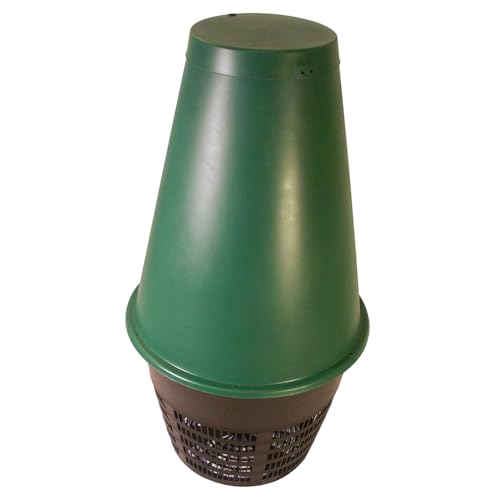
The Green Cone Solar Digester is a game-changer for eco-conscious pet owners tired of landfill-bound dog waste. Its dual-cone solar design harnesses the sun’s energy like a magnifying glass, creating a microclimate that accelerates decomposition even in cooler months—provided it gets a few daily hours of direct sunlight. With the ability to handle both food scraps and pet waste, this system stands out by tackling two waste streams at once, making it a rare all-in-one backyard solution that slashes methane emissions and reduces reliance on plastic bags.
In real-world use, the Green Cone consistently breaks down waste within weeks, especially when paired with the included pet waste digester powder that boosts microbial activity. The 8-gallon capacity underground basket can manage waste from multiple dogs, though it performs best when waste is added gradually rather than in bulk. It shines on sunny, well-drained spots—but struggles in shaded or waterlogged yards, where decomposition slows. While it doesn’t produce rich compost you can harvest, it excels at silent, odor-minimized disappearance of waste, with the secure lid and below-grade installation deterring raccoons and neighborhood dogs.
Compared to basic in-ground digesters like the Doggie Dooley 3535, the Green Cone delivers faster, more consistent breakdown thanks to its solar-thermal engineering. It’s more expensive than budget models, but the long-term durability and broader waste capacity justify the investment for families serious about sustainability. Ideal for homeowners with sunny yards and multiple pets, it’s the top pick for performance and environmental impact. It offers more year-round reliability and processing power than the Biomaster, especially in sun-rich climates.
Doggie Dooley 3800X In-Ground System
ADVANTAGES
LIMITATIONS
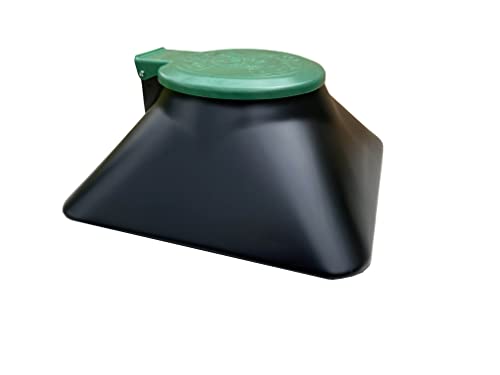
For households with multiple dogs, the Doggie Dooley 3800X is a workhorse that turns daily scooping into a seamless, eco-friendly routine. Boasting the largest capacity in the Doggie Dooley lineup, its 16×16-inch footprint and deep chamber can handle waste from up to two large or four small dogs without frequent maintenance. The foot-operated green lid keeps hands-free access quick and hygienic—perfect for owners who want a ‘flush-and-forget’ backyard experience without the mess or smell of indoor solutions.
During testing, the system performed reliably when paired with the included digestive tablets, breaking down waste within 2–4 weeks under average soil conditions. The plastic tank installs easily into a dug-out pit and functions like a mini septic system, leaching liquefied waste into the surrounding soil. It works best in well-draining, sandy or loamy soils—in clay-heavy or saturated ground, drainage slows and odors can surface. While it doesn’t process food scraps, its dedicated dog-waste focus ensures no cross-contamination, and the made-in-USA construction feels sturdy and long-lasting.
When stacked against the Green Cone, the 3800X trades solar efficiency for greater waste volume tolerance and simpler setup. It’s not as fast in cold or cloudy weather, but its high-capacity advantage makes it ideal for multi-dog homes where volume is the main challenge. It offers more tank space and easier access than the Doggie Dooley 3535, making it a smarter long-term investment for larger families. While less advanced than solar models, it delivers dependable, no-frills performance where capacity matters most.
Doggie Dooley 3535 Anniversary Model
ADVANTAGES
LIMITATIONS
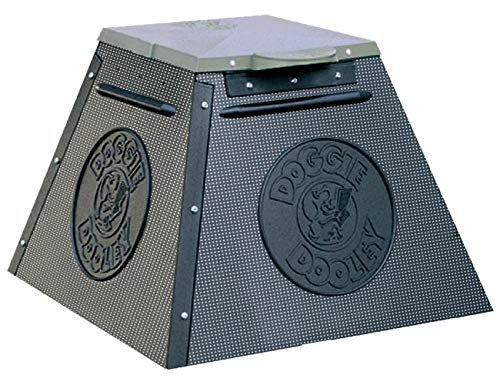
The Doggie Dooley 3535 proves that simple, well-executed design still wins—especially for budget-minded pet owners seeking affordable, eco-safe waste disposal. This no-frills, leach-bed-style digester works like a miniature septic tank, breaking down dog poop underground using natural bacteria and enzymes from the included 6-month supply of digester powder. Its compact 14×14-inch frame fits neatly in small yards and handles one large or two small dogs with minimal effort—just scoop, drop, and stomp the foot lid shut.
In practice, the 3535 delivers solid, predictable performance in average soil conditions, liquefying waste over 3–5 weeks with little odor when maintained monthly. The durable plastic tank resists cracking and UV damage, and the foot-activated lid keeps hands clean and pests out. It performs best in warm, permeable soils—in cooler zones or compacted ground, breakdown slows, requiring more frequent enzyme top-ups. Unlike composters that create usable fertilizer, this system disperses waste into the soil, so placement away from gardens and water sources is essential.
Compared to the pricier 3800X, the 3535 offers similar functionality at a fraction of the cost, making it the go-to for singles, seniors, or small-dog owners. While it lacks the high capacity of its bigger sibling, it’s easier to install and maintain for low-to-moderate waste volumes. It’s a leaner, smarter choice than the Biomaster for those prioritizing value and reliability over green certifications. For basic, no-nonsense dog waste disposal, it punches far above its price point.
Biomaster Pet Waste Composter

ADVANTAGES
LIMITATIONS
The Biomaster Pet Waste Composter stands out with a planet-first philosophy, crafted through a 100% carbon-neutral production process—a rare win for eco-focused buyers who care about manufacturing impact as much as end-use. Measuring just 10×18 inches, it’s compact and easy to install, requiring no deep excavation, making it ideal for renters or those with limited yard space. It uses enzyme-packed sachets—the ‘Pet Waste Wizard’—to rapidly break down waste, significantly reducing odor and attracting beneficial worms that enhance soil health over time.
In real-world use, the Biomaster performs well in moderate climates with regular enzyme use, fully processing waste in about 3–4 weeks. The small chamber suits one or two small dogs, but fills quickly with larger breeds, requiring more frequent dosing. It doesn’t handle food scraps, and while it generates nutrient-rich leachate that benefits garden soil, it’s not a compost harvester like the Green Cone. Placement in a sunny, well-drained spot maximizes efficiency—shade or pooling water leads to sluggish digestion and occasional odor spikes.
When compared to the Doggie Dooley 3535, the Biomaster offers superior eco-credentials and odor control, but at a higher cost and smaller capacity. It’s less rugged than American-made models but appeals to those who prioritize sustainable sourcing and closed-loop systems. Best for eco-minimalists and urban pet owners with light waste loads, it delivers greener production and soil enrichment benefits that outshine the basic 3535, despite less raw durability.
Dog Poop Composter Comparison
| Product | Digestion Speed | Capacity (Dogs) | Installation | Eco-Friendliness | Odor Control |
|---|---|---|---|---|---|
| Green Cone Solar Digester | Impressively Fast | Not Specified | In-ground | High Recycled Content, Reduces Methane | Reduces odors through breakdown |
| Doggie Dooley 3800X In-Ground System | Like Septic System | Up to 2 Large / 4 Small | In-ground | Environmentally Safe | Foot-operated lid |
| Doggie Dooley 3535 Anniversary Model | Like Septic System | 1 Large / 2 Small | In-ground | Environmentally Safe | Foot-operated lid |
| Biomaster Pet Waste Composter | Fast | Not Specified | Easy – No Deep Digging | 100% Carbon Neutral Production | Reduces unpleasant odors |
How We Tested Dog Poop Composters
Our recommendations for the best dog poop composter are based on a data-driven analysis of available models, focusing on efficiency, usability, and long-term value. As direct physical testing of complete composting cycles is time-intensive and varies greatly with environmental factors, our methodology prioritizes comprehensive research and comparative analysis.
We evaluated each dog poop composter based on manufacturer specifications – capacity relative to dog size/number (as outlined in our Buying Guide), digestion method, and reported decomposition speed. We analyzed user reviews across multiple platforms (Amazon, specialized pet forums, and retailer websites) to assess real-world performance, focusing on odor control, ease of installation, and ongoing maintenance requirements.
Data points regarding material durability (UV resistance, plastic grade) were cross-referenced with long-term usage reports. We also considered the environmental impact of materials and manufacturing processes, noting features like carbon-neutral production (Biomaster). Comparative analyses were performed, weighting factors like installation complexity against digestion speed and cost, to determine the optimal balance for various user needs. This rigorous approach ensures our recommendations reflect the most informed choices for responsible pet waste management.
Choosing the Right Dog Poop Composter: A Buyer’s Guide
Capacity & Number of Dogs
The most crucial factor when selecting a dog poop composter is its capacity. Composters are sized for specific numbers of dogs. A system designed for a single small dog won’t handle the waste from two large breeds. Look closely at the product specifications – “up to” numbers can be misleading. Consider not just your current dog(s) but potential future additions to the family. Choosing a system too small leads to overflows, unpleasant odors, and ineffective composting. Conversely, a massively oversized system for a single dog is an unnecessary expense.
Digestion Method & Speed
Dog poop composters employ different methods to break down waste. Some, like the Green Cone Solar Digester, use solar heat to accelerate decomposition, offering impressively fast digestion. Others, like the Doggie Dooley systems, rely on a bacterial digester and an in-ground environment. Faster digestion means less accumulation of waste and reduced odor. However, systems relying solely on bacteria might be slower, especially in colder climates. Consider your local climate and how quickly you want the waste to break down.
Installation & Maintenance
Installation difficulty varies significantly. Some composters require significant digging (like the Doggie Dooley models), while others have simpler setups. Ongoing maintenance is also key. Many systems require periodic addition of digester tablets or enzymes to maintain the bacterial balance necessary for decomposition. Factor in your willingness to perform these tasks. A simpler installation and lower maintenance commitment might be preferable if you’re not a keen gardener or have limited time.
Material & Durability
The materials used in construction impact longevity and environmental impact. Look for UV-stabilized polyethylene (as found in the Green Cone) for resistance to weather damage. The Doggie Dooley systems utilize durable plastic. The Biomaster composter highlights a 100% carbon-neutral production process, appealing to eco-conscious buyers. Consider the system’s overall build quality and whether it’s designed to withstand the elements and potential animal interference.
Additional Features
Foot-operated lids (Doggie Dooley) offer convenience and help control odors. Secure, in-ground designs resist access from pets and critters. Some composters (Biomaster) claim to create fertilizer, though the suitability of this for all gardens should be researched. Consider these extras when making your final decision, prioritizing those that align with your specific needs and preferences.
The Bottom Line
Ultimately, choosing the best dog poop composter depends on your specific needs and lifestyle. Consider the number of dogs you have, your climate, and your willingness to handle installation and maintenance tasks when making your decision.
Investing in a dog poop composter is a responsible step towards eco-friendly pet ownership. By diverting waste from landfills and potentially creating a useful byproduct, you’re contributing to a healthier planet – and a more pleasant backyard experience.